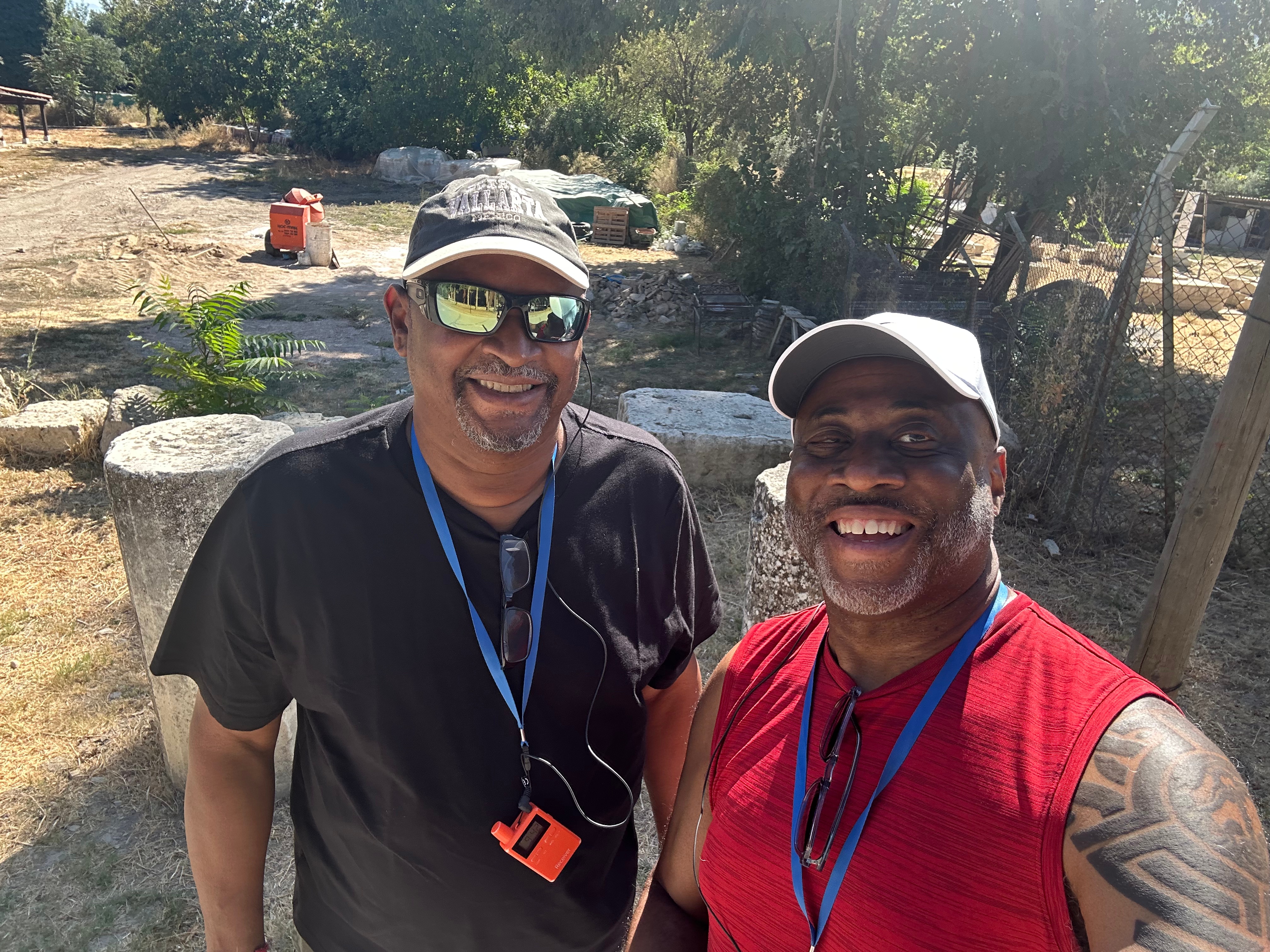
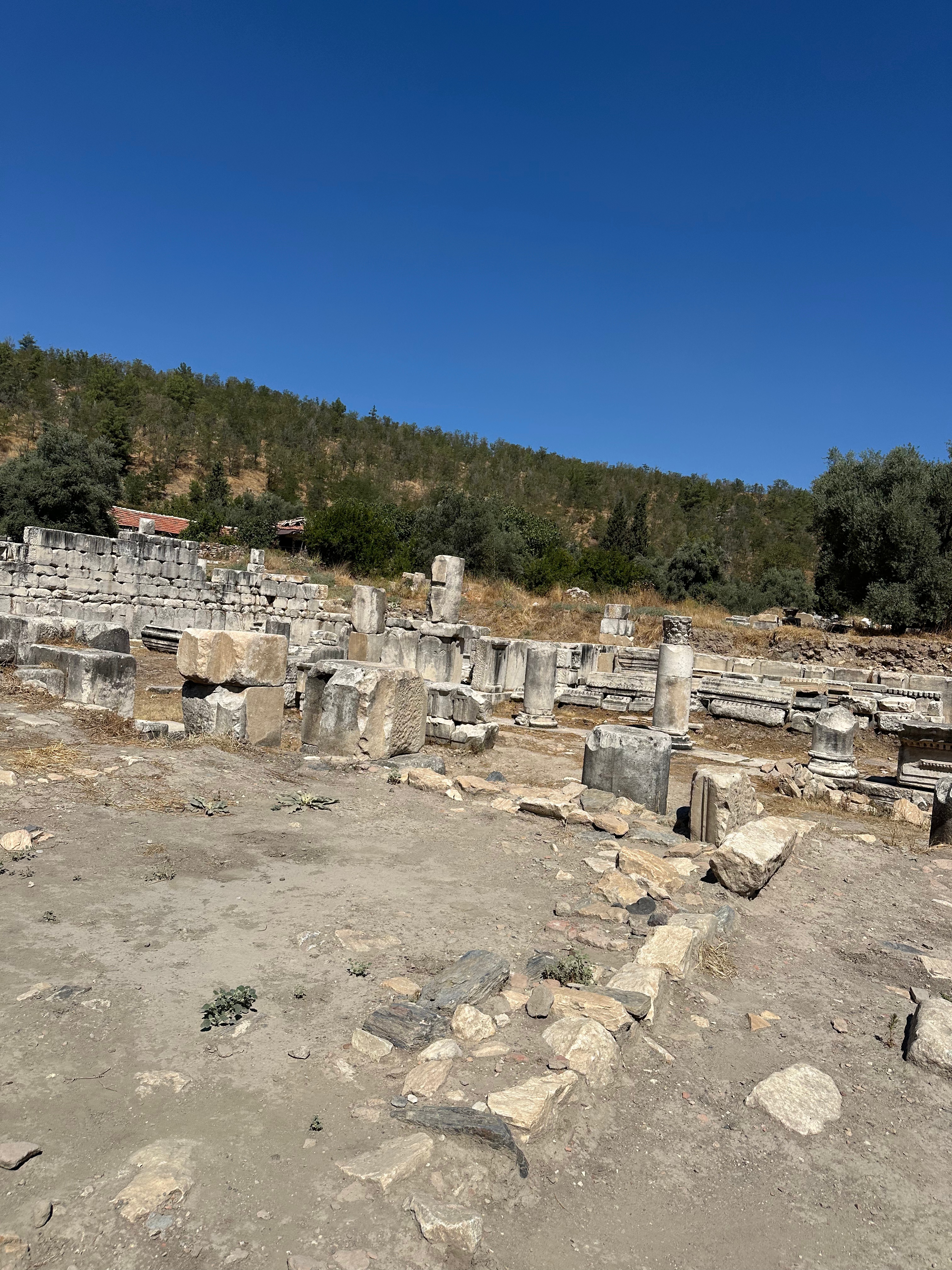
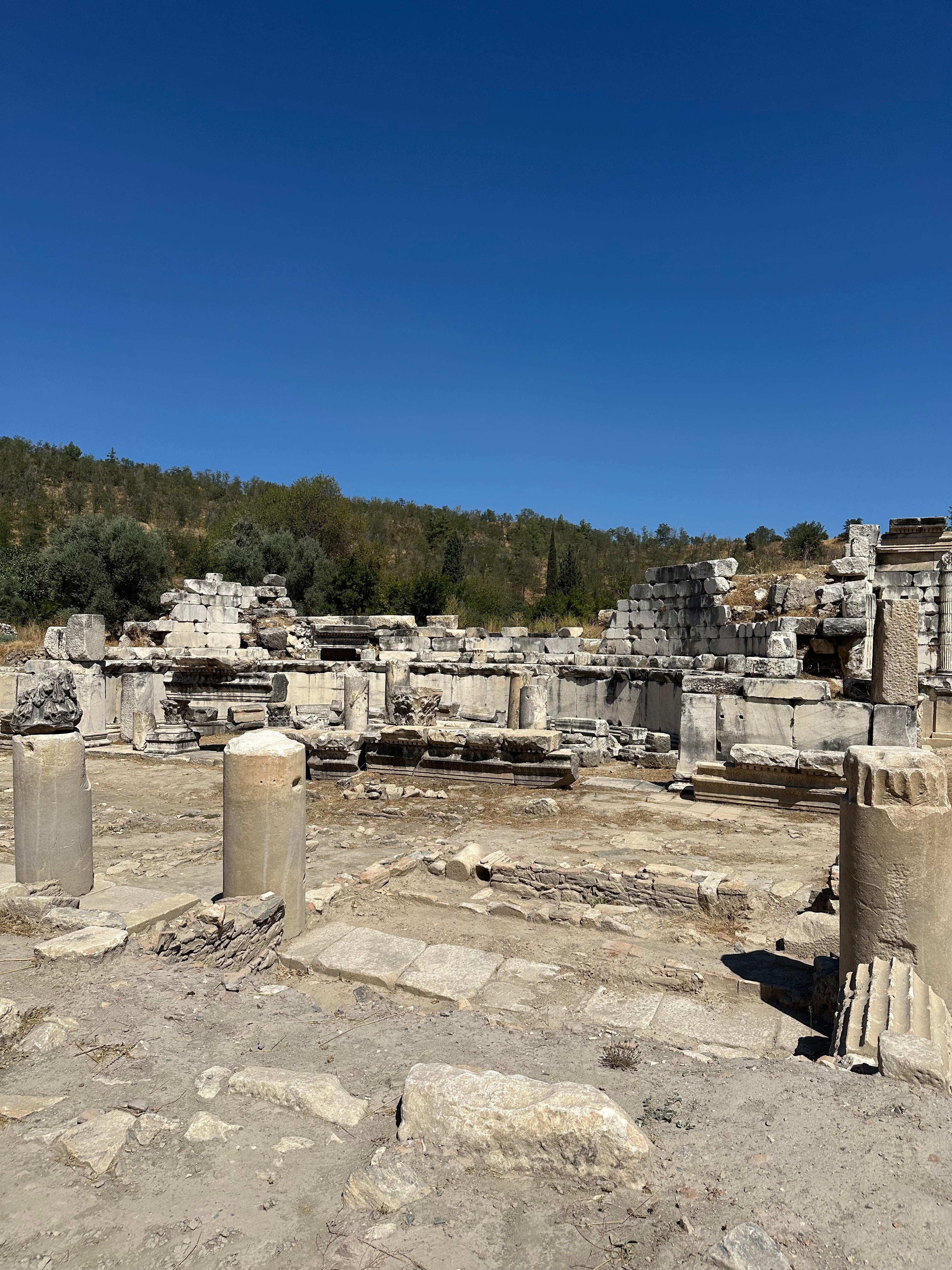
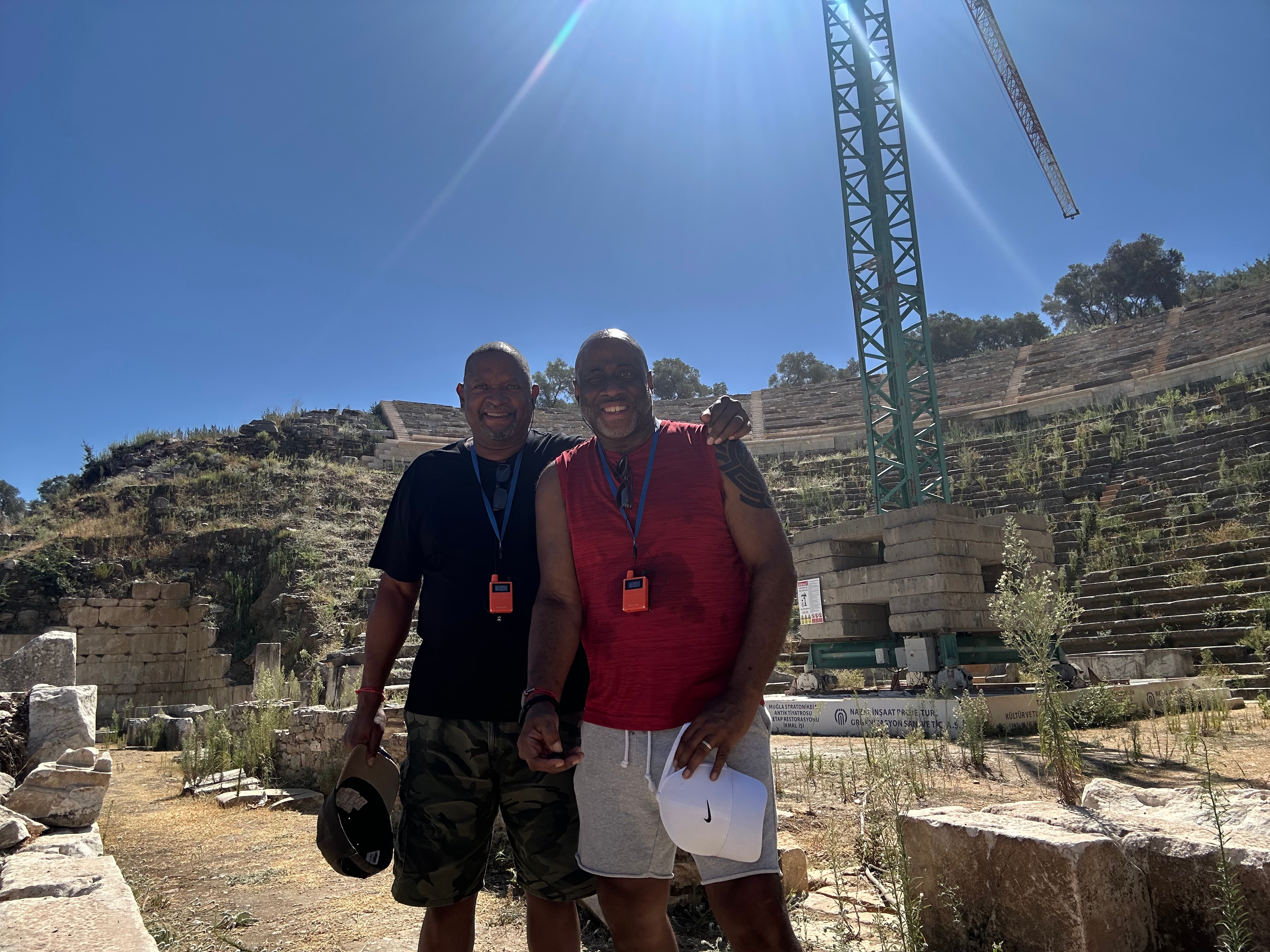
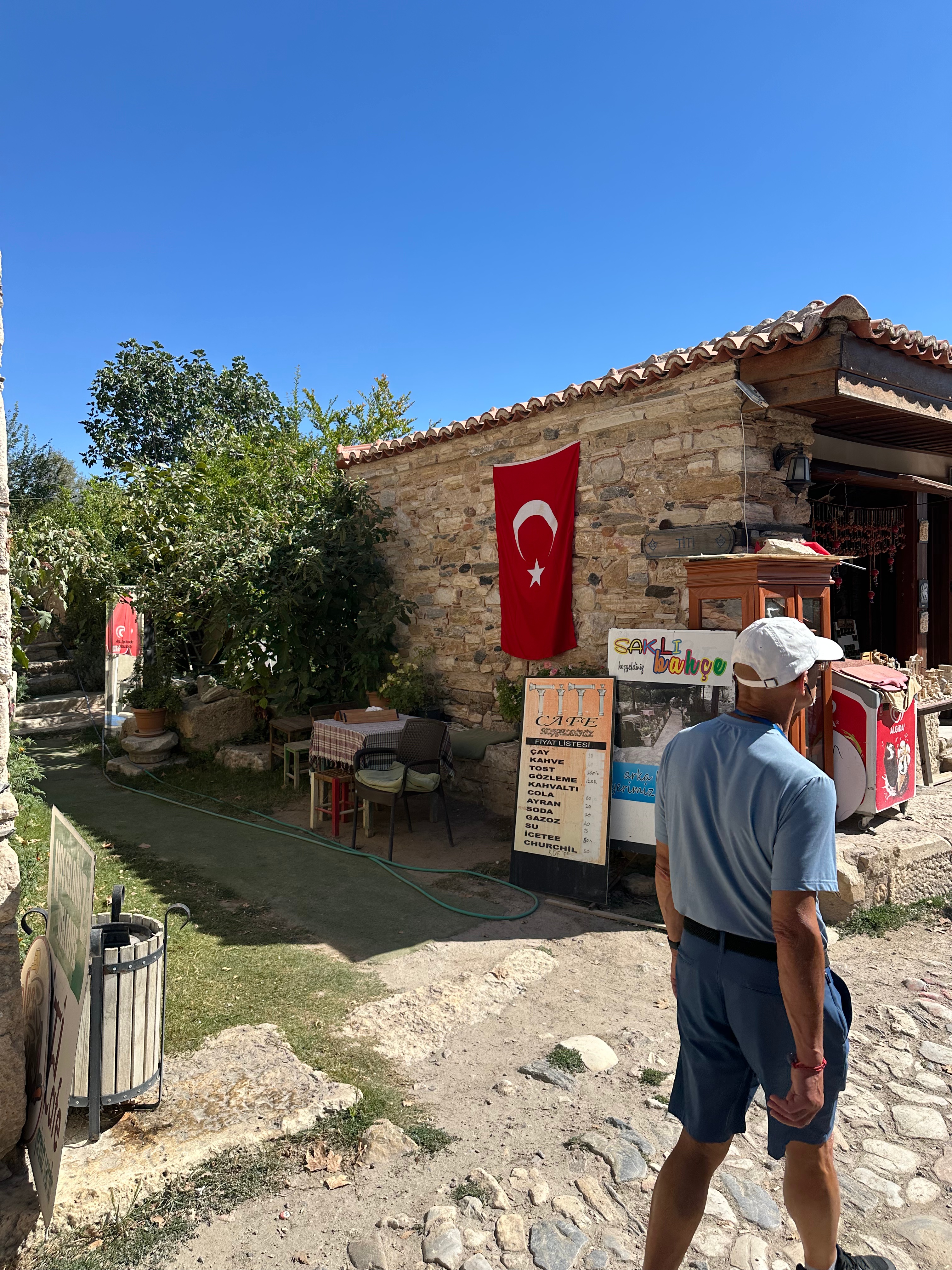
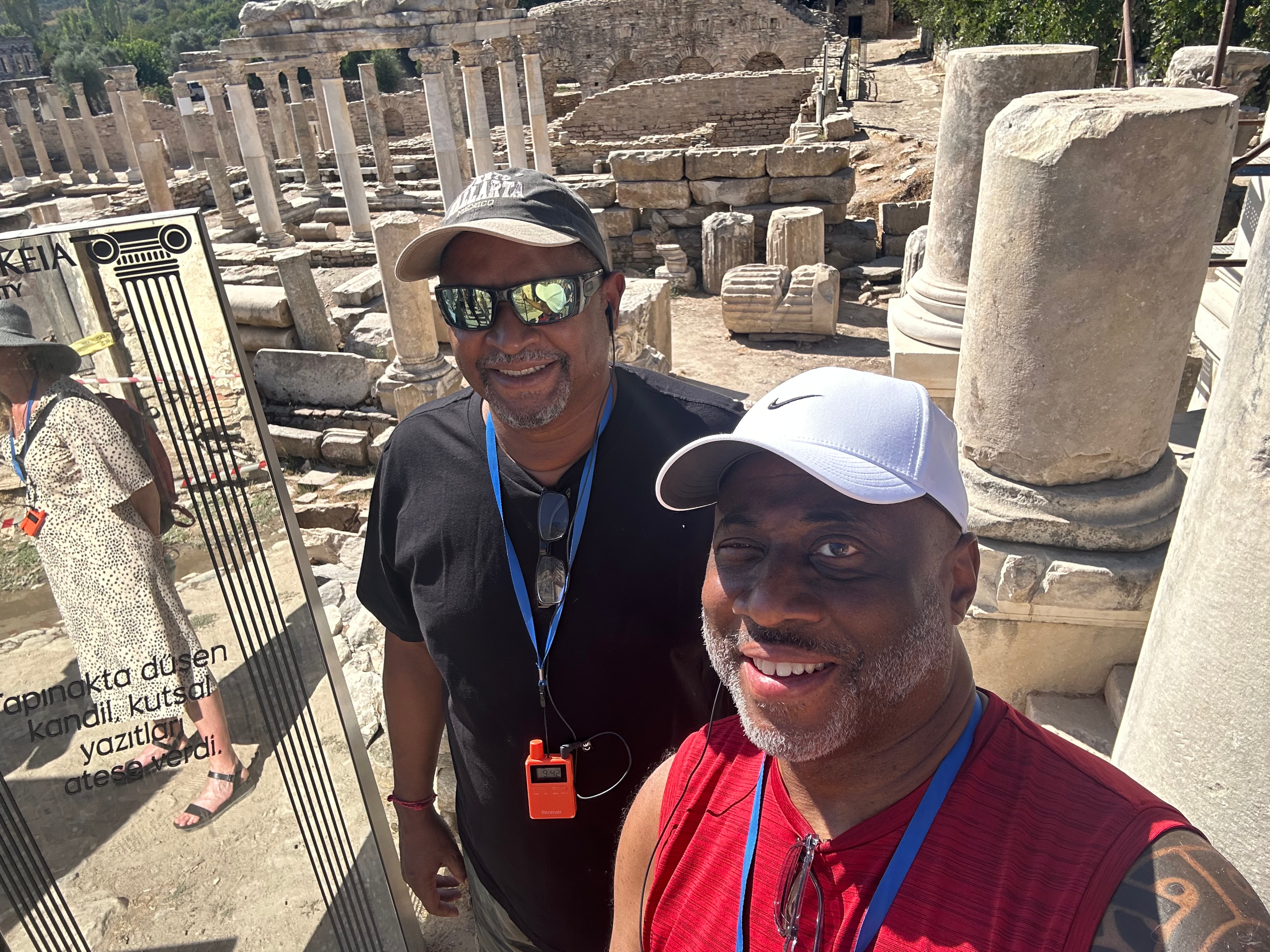
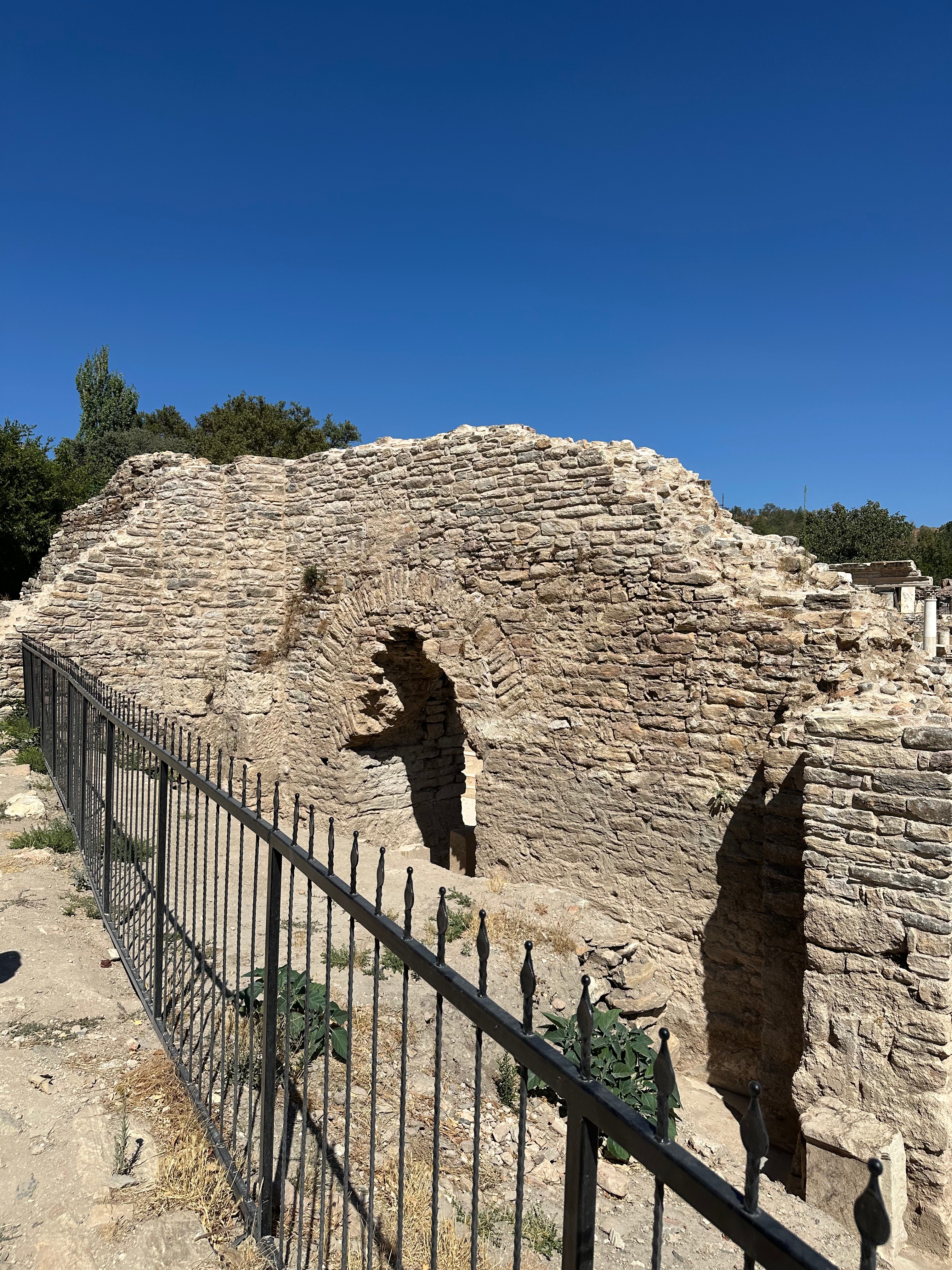
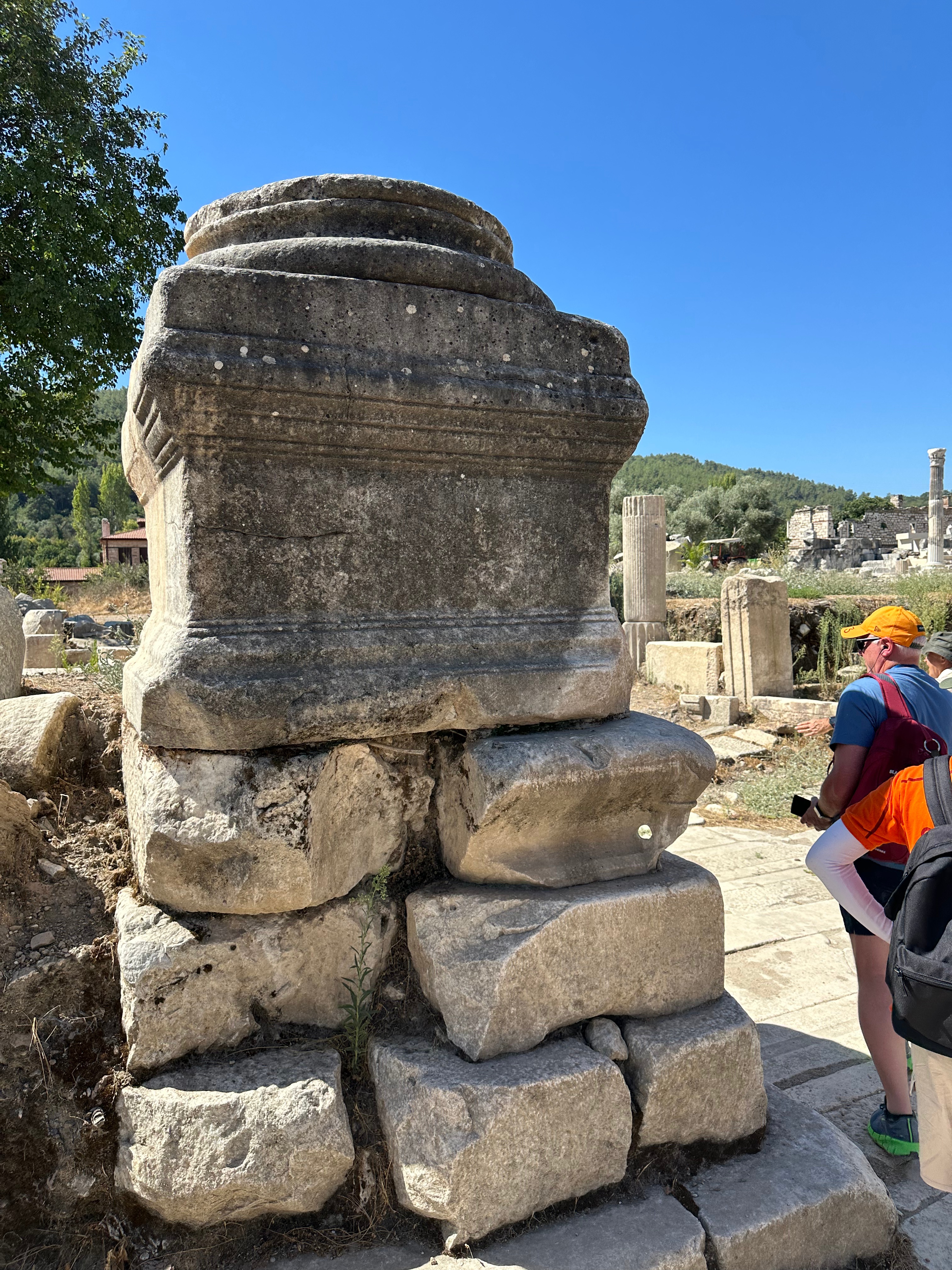
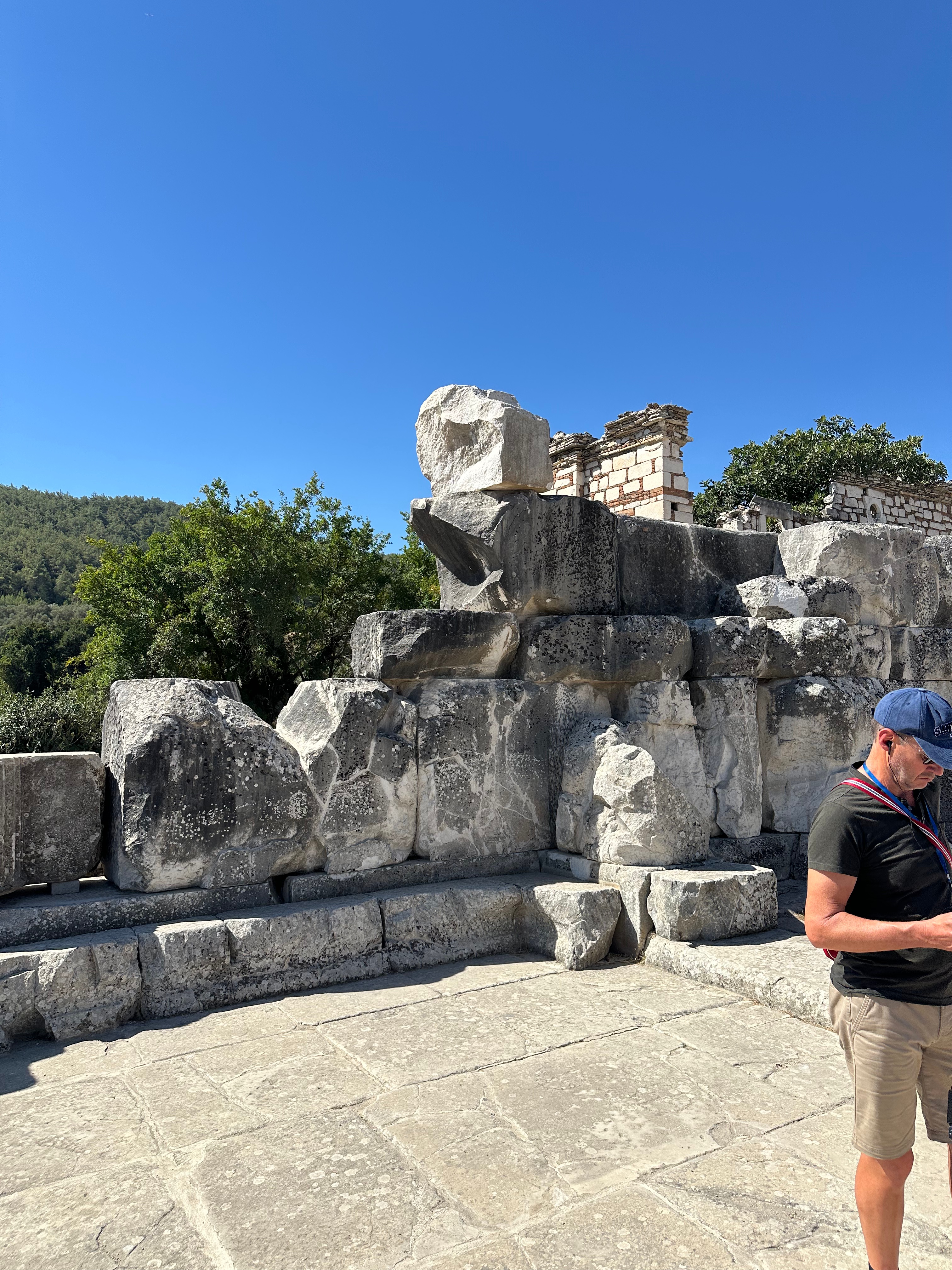
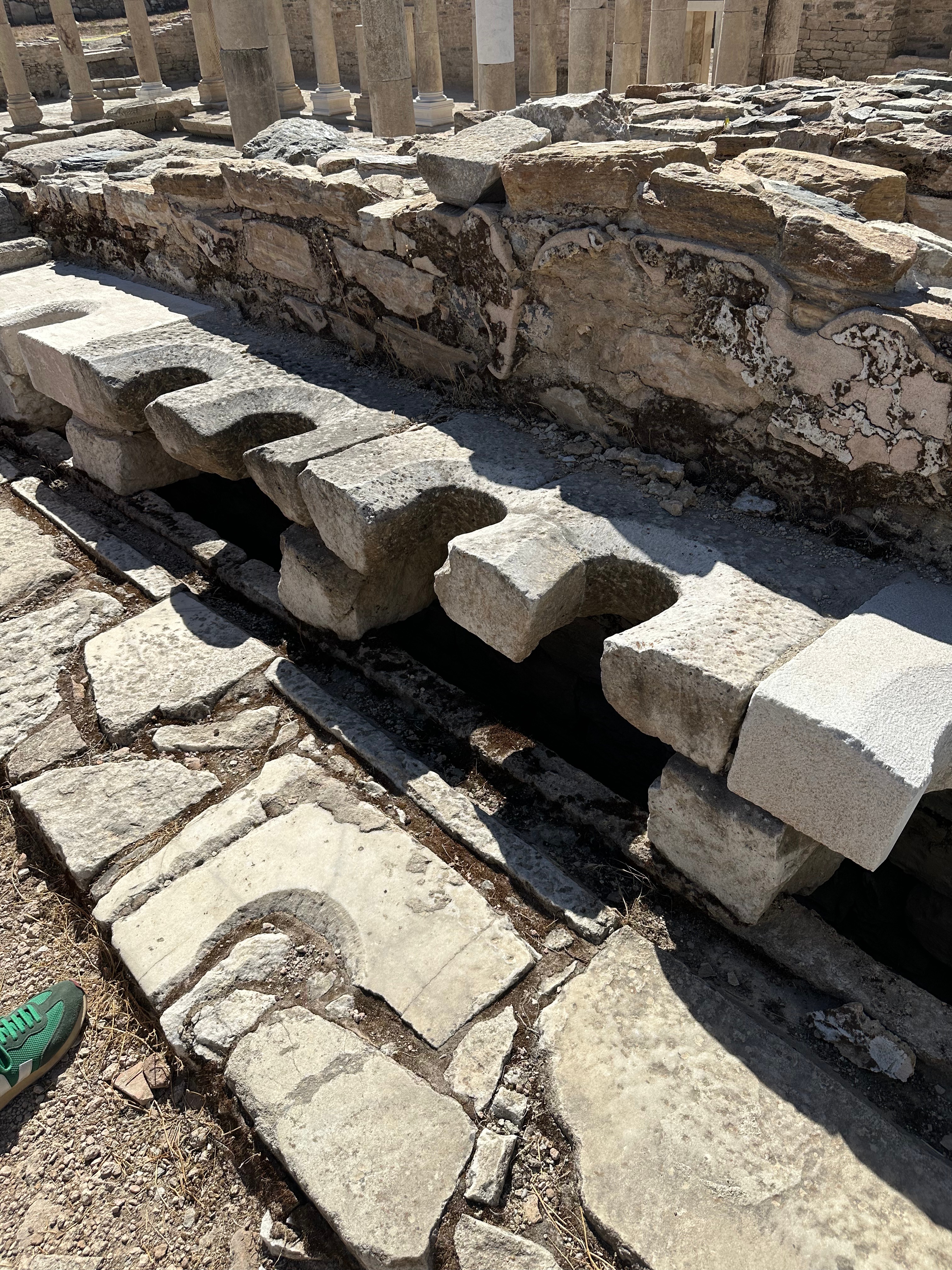
Day 4 saw Resillient Lady’s arrival in Bodrum, Turkey. Bodrum (Turkish pronunciation: [ˈbodɾum]) is a town and district of Muğla Province, Turkey.[3] About 200 thousand people live in the district,[2] which covers 650 km2[4] and includes the town. It is a port town at the entrance to the Gulf of Gökova. Known in ancient times as Halicarnassus, the town was once home to the Mausoleum at Halicarnassus, also known as the tomb of Mausolus, one of the Seven Wonders of the Ancient World. (https://en.wikipedia.org/wiki/Bodrum) Here we opted to take a shore thing to ancient Stratonikeia – Stratonicea (Hittite: 𒀜𒊑𒅀 Atriya, Ancient Greek: Στρατoνικεια or Στρατoνικη; or per Stephanus of Byzantium: Στρατονίκεια) – also transliterated as Stratonikeia, Stratoniceia, Stratoniki, and Stratonike and Stratonice; a successor settlement to Chrysaoris;[1] and for a time named Hadrianopolis – was one of the most important towns in the interior of ancient Caria, Anatolia, situated on the east-southeast of Mylasa, and on the south of the river Marsyas; its site is now located at the present village of Eskihisar, Muğla Province, Turkey. It is situated at a distance of 1 km (0.62 mi) from the intercity road D.330 that connects the district center of Yatağan with Bodrum and Milas, shortly before Yatağan power station if one has taken departure from the latter towns. (https://en.wikipedia.org/wiki/Stratonicea_(Caria)) We had an excellent tour guide who gave us the interesting facts of this ancient site.
 Low Country Life
Leave a comment